Table of contents
Cenote diving in Tulum costs $160 USD for 2 dives all-inclusive (equipment, cenote entrance, PADI guide, transport). The best cenotes for diving are Dos Ojos (Barbie Line and Batcave formations), El Pit (30m with sun rays) and Angelita (hydrogen sulfide cloud). Tulum is the world epicenter of cenote diving: the Yucatan Peninsula houses the largest underwater cave system on the planet, with over 1,500 km of mapped passages. The Mesoamerican reef, the second largest coral reef in the world spanning 1,000+ km, runs parallel to the coast just 300 meters from the beach. Visibility in cenotes reaches 30-100 meters, and water temperature stays constant at 24-25 degrees Celsius year-round. A minimum Open Water Diver certification is required for cenote diving.
Why Is Tulum the Best Place in the World for Cenote Diving?#
The Yucatan Peninsula contains the most extensive underwater cave system on the planet. Cenotes are natural entrances to this system, formed by the collapse of the limestone bedrock that covers underground freshwater rivers. The Sac Actun system, connected to Dos Ojos, totals 376 km of explored passages, making it the longest known underwater cave.
Five factors position Tulum as the world capital of cavern diving:
- Exceptional visibility: Water filtered through limestone over thousands of years reaches 30-100 meter visibility, surpassing 99% of open ocean dive sites
- Unique geological formations: Stalactites and stalagmites over 10,000 years old, columns, stone curtains and dripstone formations decorate the submerged passages
- Haloclines: Layers where freshwater (upper) and saltwater (lower) mix, creating visual effects of optical distortion similar to underwater mirages
- Constant temperature: 24-25 degrees Celsius year-round, without thermoclines or significant currents, allowing comfortable dives with a 3mm wetsuit
- Accessibility: 15+ cenotes suitable for diving within a 30 km radius from Tulum, with consolidated PADI dive center infrastructure
The concentration of dive centers specialized in cenotes makes Tulum the de facto headquarters for cavern diving certification worldwide.
What Are the Best Cenotes for Diving Near Tulum?#
Cenote Dos Ojos: The Underwater Cathedral#
Cenote Dos Ojos is located 20 km north of Tulum on Highway 307. The Dos Ojos system comprises 83 km of mapped passages connected to Sac Actun. Two main dives: the Barbie Line (white stalactite formations illuminated by natural light, maximum depth 10m, ideal for introductory cavern diving) and the Batcave (dark passage with massive stalagmite formations, depth 10-18m, requires flashlight). Entrance: $400 MXN. Level: Open Water + cavern diving briefing. Visibility: 50-80 meters. Dive duration: 40-50 minutes per line.
El Pit: Sun Rays at 30 Meters#
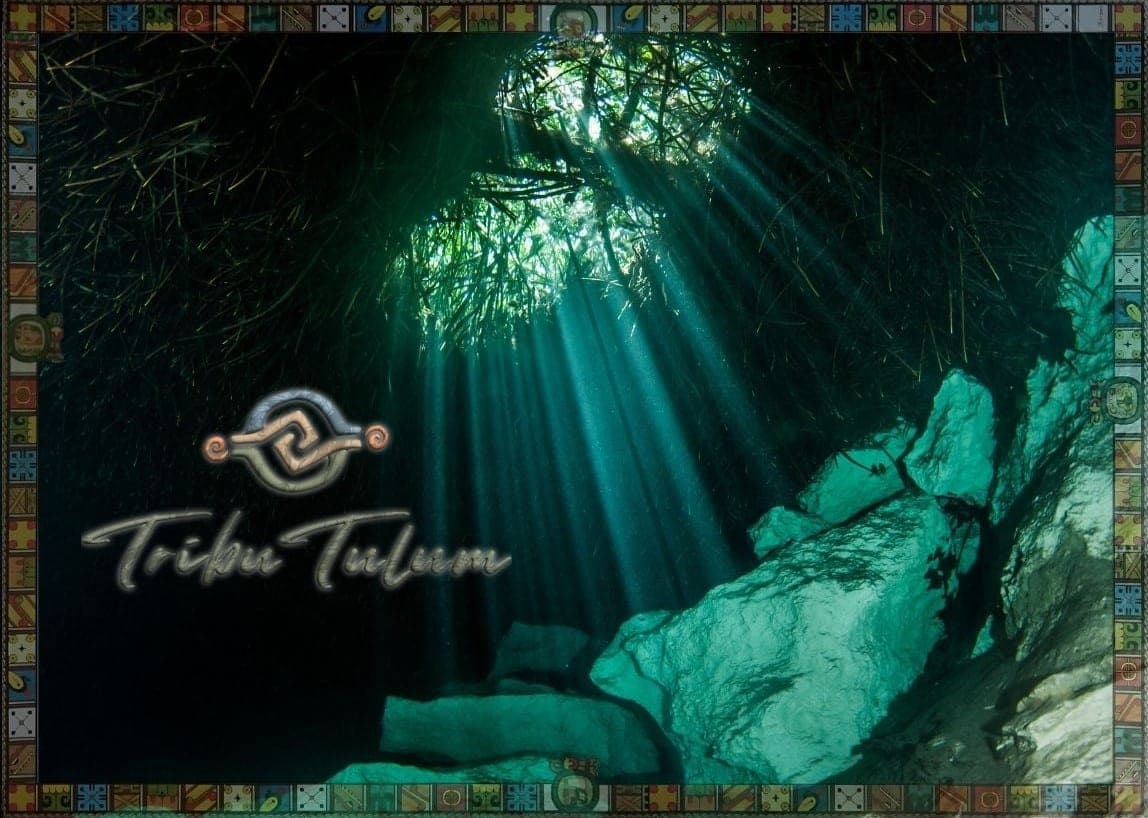
El Pit is located within the Dos Ojos system, 22 km from Tulum. Maximum depth: 30+ meters. The main attraction is the sun rays that penetrate the surface and form visible beams of light reaching the bottom between 11:00 AM and 1:00 PM. At 27 meters depth, a hydrogen sulfide cloud creates a white layer that simulates a false surface. A pronounced halocline at 15 meters causes a temporary blurred vision effect. Level: Advanced Open Water (depth exceeding 18m). One of the 10 most spectacular dives in the world according to PADI.
Cenote Angelita: The Phantom Island#
Cenote Angelita is located 17 km south of Tulum. Depth: 60 meters (recreational diving to 30m). At 29-30 meters, a dense hydrogen sulfide cloud separates the upper freshwater from the lower saltwater. Preserved tree trunks emerge from the cloud creating the illusion of a submerged phantom island. Level: Advanced Open Water with deep water experience. Visibility limited within the sulfide layer. 35-45 minute dive with decompression plan. Exclusively for advanced divers with 50+ dives of experience.
Casa Cenote: Ideal for Beginners#
Casa Cenote is an open cenote with mangroves located 10 km from Tulum. Maximum depth: 8 meters. Crystal-clear water mixing fresh and salt. Habitat for fish, turtles and diverse aquatic life. Natural light illuminates the entire cenote during the day. Ideal for Discover Scuba (first experience) and Open Water certification. Price for 1-dive package: $2,400 MXN. Casa Cenote + reef combo: $3,900 MXN. Level: absolute beginner.
Cenote Calavera: The Temple of Skulls#
Cenote Calavera is located 2 km from downtown Tulum. Three circular openings in the limestone form a "skull" when viewed from above. Depth: 15 meters. Entry by 4-meter jump or ladder. Stalactite formations in the deep zone. Visibility: 40-60 meters. Level: Open Water. Temperature: constant 24 degrees Celsius. 40-50 minute dives. Less visited than Dos Ojos, offering a more tranquil experience.
Dreamgate: Spectacular Formations#
Dreamgate is located 25 km from Tulum on the road to Coba. Considered the cenote with the most spectacular stalactite and stalagmite formations on the Peninsula. Stone columns 3-5 meters tall, translucent curtains and soda straw formations (hollow stalactites less than 1 cm in diameter). Depth: 12-15 meters. Visibility: 60-100 meters. Level: Open Water with cenote experience. 45-55 minute dives.
Mesoamerican Reef Diving: What to See from Tulum?#
The Mesoamerican reef runs parallel to Tulum's coast 300-500 meters from the beach. Spanning 1,000+ km from Honduras to Isla Contoy, it is the second largest coral reef in the world after Australia's Great Barrier Reef.
Marine life visible while diving from Tulum includes:
- Sea turtles: Hawksbill turtles feeding on sponges, green turtles in seagrass meadows. Frequent sightings on 80% of dives
- Rays: Spotted eagle ray (Aetobatus narinari) with wingspan up to 2.5 meters, stingrays on sandy bottoms
- Nurse sharks: Ginglymostoma cirratum up to 3 meters resting under coral ledges, harmless to divers
- Spiny lobsters: Panulirus argus in reef crevices, especially visible on night dives
- Reef fish: Queen angelfish, rainbow parrotfish, great barracuda, Nassau grouper, lionfish (invasive)
- Corals: Brain coral (Diploria), elkhorn coral (Acropora palmata), gorgonian sea fans
Reef dives reach depths of 10-25 meters with 15-30 meter visibility and mild to moderate currents.
Cavern Diving vs Cave Diving: What Is the Difference?#
Cavern diving requires Open Water certification and takes place with natural light visible at less than 18 meters depth. Cave diving requires specialized certification (Cave Diver) and is practiced in total darkness with a mandatory guideline. No additional training is required for cavern diving in Tulum's cenotes.
| Aspect | Cavern Diving | Cave Diving |
|---|---|---|
| Required certification | Open Water Diver + briefing | Cave Diver (specialized 5-7 day course) |
| Maximum depth | 18 meters | No practical limit (up to 100m+) |
| Light | Natural light always visible | Total darkness, mandatory flashlights |
| Distance from entrance | Maximum 60 linear meters | No limit |
| Guideline | Optional (guide present) | Mandatory (permanent lifeline) |
| For whom | Certified divers, tourists | Advanced divers with 100+ dives |
| Risk | Low-moderate (direct supervision) | High (requires emergency training) |
| Cost | $160 USD (2 dives) | $300-500 USD (dive + specialized equipment) |
| Centers in Tulum | 15+ available | 3-5 specialized |
95% of tourists diving in Tulum's cenotes do cavern diving. Cave diving is an exclusive technical discipline requiring specific 5-7 day training and prior experience of 100+ dives.
How Much Does Diving Cost in Tulum? Prices and Packages#
| Dive Type | Price | What's Included |
|---|---|---|
| 2 cenote dives (cavern) | $160 USD | Full equipment, cenote entrance, PADI guide, transport |
| 1 cenote + 1 reef | $3,900 MXN (~$230 USD) | Equipment, entrances, guide, transport |
| PADI Open Water course (3 days) | $350-450 USD | Theory, confined water practice, 4 reef dives |
| Discover Scuba (1st contact) | $120-150 USD | Theory intro + 1 guided dive in cenote or reef |
| Advanced Open Water course (2 days) | $250-350 USD | 5 adventure dives (deep, navigation, night) |
| Cave Diver course (5-7 days) | $1,500-2,500 USD | Complete technical training + 12-15 dives |
| Night reef dive | $80-120 USD | 1 night dive with flashlight |
Specialized cenote dive centers include Koox Diving, La Calypso Dive Center, Dive Tulum and Xibalba Dive Center. All operate with certified PADI or SSI instructors and updated equipment. Book 1-2 days in advance during high season (November-April).
What Else Can I Do Underwater in Tulum?#
Underwater activities in Tulum extend beyond certified diving, offering options for all levels.
- Cenote snorkeling in Tulum allows you to explore cenotes like Gran Cenote and Casa Cenote without diving certification, with basic equipment and exceptional visibility.
- The complete guide to the best cenotes in Tulum covers cenotes for swimming, snorkeling and diving with practical information on prices and access.
- The day trips from Tulum include packages combining diving with cultural visits.