Table of contents
Mayan culture in Tulum is a LIVING tradition with approximately 800,000 speakers of the Maya language on the Yucatan Peninsula. The Maya are not an extinct civilization: they are contemporary communities that maintain active language, gastronomy, ceremonies, craftsmanship and cosmovision. The traditions you can experience in Tulum include the temazcal ceremony (steam purification), Hanal Pixan (Mayan Day of the Dead, October 31 - November 2), hand-embroidered crafts recognized as Intangible Cultural Heritage, ancestral cuisine such as cochinita pibil cooked in an earth oven (pib), and ceremonial cacao ceremonies. Quintana Roo is home to approximately 5,000 registered artisans. The FONART store opened in Tulum in 2025, directly benefiting 600+ artisans with authenticity certification.
Mayan Culture Is Alive: Beyond the Ruins#
The narrative of a "lost civilization" is historically incorrect. The Maya ARE, not "were." Approximately 800,000 people speak Yucatec Maya (maaya t'aan) on the Yucatan Peninsula, forming one of the most vital indigenous languages in the Americas. In communities like Felipe Carrillo Puerto, 100 km from Tulum, the Maya language is the everyday language in markets, schools and homes.
Contemporary Mayan communities maintain systems of social organization, agricultural practices and ceremonies that predate Spanish colonization. The milpa, a rotational cultivation system of corn, beans and squash, continues to feed rural families using the same technique from 3,000+ years ago. The h'meno'ob (Mayan priests) continue performing milpa first-fruits ceremonies (Cha'a Chaak) to ask Chaak, the rain god, for rainfall.
In Tulum and its surroundings, Mayan presence manifests in:
- Language: Mayan words integrated into local Spanish: "cenote" (ts'onot), "huipil" (hipil), "pib" (earth oven), "x'tabentun" (wild flower)
- Gastronomy: Cochinita pibil, papadzules, salbutes, panuchos and poc chuc are pre-Columbian Mayan dishes prepared daily in restaurants and homes
- Ceremonies: Temazcal, loj (first-fruits ceremony), ch'a chaak (rain petition) and jetsmek (life initiation ceremony for babies at 3-4 months)
- Craftsmanship: Huipil embroidery, henequen hammock weaving, wood carving, melipona bee honey production
- Traditional medicine: H'meno'ob and healers practice herbalism, sobada (Mayan abdominal massage) and energetic cleansings
What Mayan Traditions Can You Experience in Tulum?#
Temazcal: Purification Ceremony with Steam#
The temazcal is an ancient Mesoamerican purification ceremony that uses volcanic stones heated to 800 degrees Celsius inside a stone structure. In Tulum, 6+ centers offer authentic temazcal with prices of $500-1,805 MXN per person. The ceremony lasts 60-120 minutes and is divided into 4 doors (rounds) representing the four cardinal directions. Centers: Yaan Healing, Holistika, Cenote Dos Palmas, Delek.
Hanal Pixan: The Mayan Day of the Dead#
Hanal Pixan (literally "food of the souls" in Maya) is the Mayan version of the Day of the Dead, celebrated from October 31 to November 2. Unlike the Nahua-mestizo Day of the Dead, Hanal Pixan has 3 differentiated days: October 31 for deceased children, November 1 for deceased adults, November 2 for all the departed. Mayan families prepare pib (giant tamal cooked in an earth oven), mukbil pollo, new corn atole and set up altars with food, candles and personal belongings of the deceased. In Tulum, restaurants and cultural centers organize public Hanal Pixan celebrations with traditional altars, jarana yucateca music and ceremonial food.
Cacao Ceremony#
Cacao (kakaw in Maya) was the sacred beverage of Mayan nobility, used in religious ceremonies, weddings and rites of passage. The Popol Vuh (the Mayan sacred book) describes cacao as food of the gods. Contemporary cacao ceremonies in Tulum use ceremonial criollo cacao from Tabasco or Chiapas prepared with spices (cinnamon, chile, vanilla) and served with ritual intention. Price: $500-1,500 MXN.
Craftsmanship: Embroidery, Hammocks and Carving#
Mayan crafts in Tulum include:
- Hand-embroidered huipil: Traditional female garment with regional flowers embroidered in cross-stitch on white fabric. Each community has distinctive patterns and colors. Price: $300-1,500 MXN. Mayan embroidery is recognized as Intangible Cultural Heritage.
- Henequen hammock: Hand-woven by 3 generations of artisans. Henequen (Agave fourcroydes) was the "green gold" of Yucatan in the 19th century. Matrimonial hammock: $500-2,500 MXN.
- Melipona bee honey (xunan kab): Produced by the native stingless bee (Melipona beecheii), sacred to the Maya. Documented medicinal properties. Jar: $200-500 MXN.
- Wood carving: Figures of Mayan deities, ceremonial masks and animals (jaguar, quetzal, feathered serpent) carved from tropical cedar wood.
Ancestral Cuisine: The Flavors That Define Tulum#
Pre-Columbian Mayan cuisine forms the foundation of current Yucatecan gastronomy. The master dishes include:
- Cochinita pibil: Pork marinated in achiote (annatto) and sour orange juice, wrapped in banana leaf and cooked 8-12 hours in an earth oven (pib). A pre-Columbian Mayan technique with more than 500 years of continuity.
- Papadzules: Corn tortillas stuffed with hard-boiled egg, bathed in pumpkin seed (pepita) sauce and tomato sauce. A ceremonial Mayan dish.
- Salbutes and panuchos: Puffed tortillas (salbut) or bean-stuffed tortillas (panucho) with cochinita, red onion pickled in sour orange and habanero.
- Poc chuc: Pork marinated in sour orange and grilled over charcoal. The Mayan name means "roasted over the embers."
- Sopa de lima: Chicken broth with Yucatecan lime (sour lime), fried tortilla and onion. An everyday dish of Mayan origin.
Mayan Calendar and Cosmovision#
The Mayan civilization developed 2 simultaneous calendars: the Tzolkin (260 days, a ritual calendar composed of 13 numbers x 20 named days) and the Haab (365 days, a solar calendar with 18 months of 20 days + 5 "unnamed" days or Wayeb). The combination of both created the Long Count Calendar that allowed dating events over periods of thousands of years. Contemporary h'meno'ob use the Tzolkin to determine ceremonial dates, children's names and auspicious planting days.
Mayan Crafts: What to Buy and Where to Find the Authentic?#
Authentic Mayan crafts are distinguished from industrial imitations by artisanal technique, natural materials and verifiable provenance.
Where to buy authentic crafts in Tulum:
- FONART Tulum: Official store of the National Fund for the Promotion of Crafts (federal government), opened in 2025. Sells directly from 600+ artisans with "Made in Mexico" seals and authenticity certification. Fair prices guaranteed.
- Town craft market: Stalls along Avenida Tulum and side streets. Mix of authentic crafts and industrial souvenirs. Ask about provenance and technique before buying.
- Mayan cooperatives: Community organizations that sell directly from the artisan. Look for cooperative labels with the name of the community of origin.
- Fiesta de la Cancha Maya: Community cultural celebration in Tulum with direct artisan sales, music and Mayan gastronomy.
How to distinguish authentic crafts:
- Authentic embroidery has natural irregularities; industrial embroidery is perfect and uniform
- Henequen hammocks have a rough texture and natural cream color; synthetic ones are soft and brightly colored
- Melipona honey is liquid, clear and with a delicate floral aroma; adulterated honey is thick and excessively sweet
- Ask "who made it and where does it come from" -- the genuine artisan knows the story behind each piece
Mayan Cuisine: The Ancestral Flavors That Define Tulum#
Pre-Columbian Mayan cuisine uses techniques and ingredients from 3,000+ years of Mesoamerican agricultural tradition. The sacred Mayan triad (corn, beans, squash) remains the dietary foundation of rural communities.
Endemic ingredients of Mayan cuisine:
- Achiote (annatto): Red seed used as a colorant and flavoring. The base of recado rojo paste for cochinita pibil.
- Chile habanero: Capsicum chinense, native to the Yucatan Peninsula. 100,000-350,000 Scoville units. Present in sauces and pickles.
- Sour orange (Citrus aurantium): Acidic base for Mayan marinades. Substitutes for lemon in Yucatecan cuisine.
- Chaya: Native green leaf rich in iron, calcium and vitamins, called "the Mayan spinach." Consumed in tamales, fresh waters and stews.
- Pumpkin seed (pepita): Base for sauces (papadzules) and toasted snack. High in zinc and magnesium.
How to Experience Mayan Culture Respectfully?#
- Do not romanticize or exoticize: Mayan culture is not a show for tourists. It is the daily life of contemporary people with current rights, problems and aspirations.
- Ask permission before photographing: Especially people in traditional dress, working artisans and ceremonies. Some charge $20-50 MXN per photo; pay with respect.
- Buy directly from the artisan: Crafts purchased from intermediaries pay 10-20% to the creator. Cooperatives and FONART stores guarantee fair payment.
- Do not appropriate sacred symbols: Tattoos of Mayan glyphs, decorative use of ceremonial objects and participation in ceremonies without genuine intention constitute cultural appropriation.
- Learn basic Maya words: "Ma'alob" (good/hello), "Ki'imak" (happy), "Yuum bo'otik" (thank you), "Bix a beel?" (how are you?). The effort is appreciated.
- Visit communities with local Mayan guides: Tours operated by community members guarantee direct economic benefit and authentic narrative.
Where to Learn More About Mayan Culture?#
A deep understanding of Mayan culture requires going beyond the ruins and connecting with the living manifestations of this civilization.
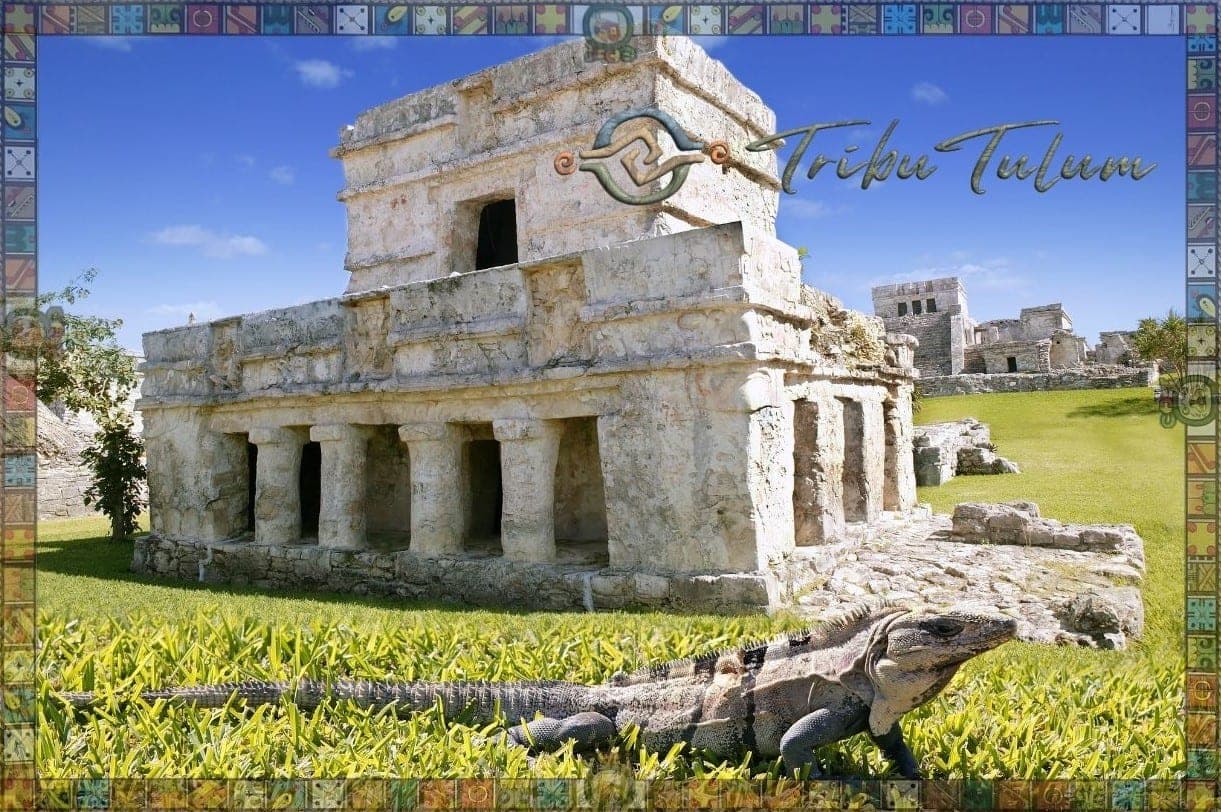
- The Tulum ruins: the ancient Mayan port shows the architecture and trade of the late Postclassic (1200-1450 AD).
- The Mayan temazcal ceremony in Tulum allows you to experience a purification ritual with more than 1,000 years of continuous tradition.
- The ancestral Yucatecan cuisine dishes details the flavors and techniques that connect the contemporary table with the Mayan milpa.