Table of contents
Tulum Cenotes: Complete Exploration Guide
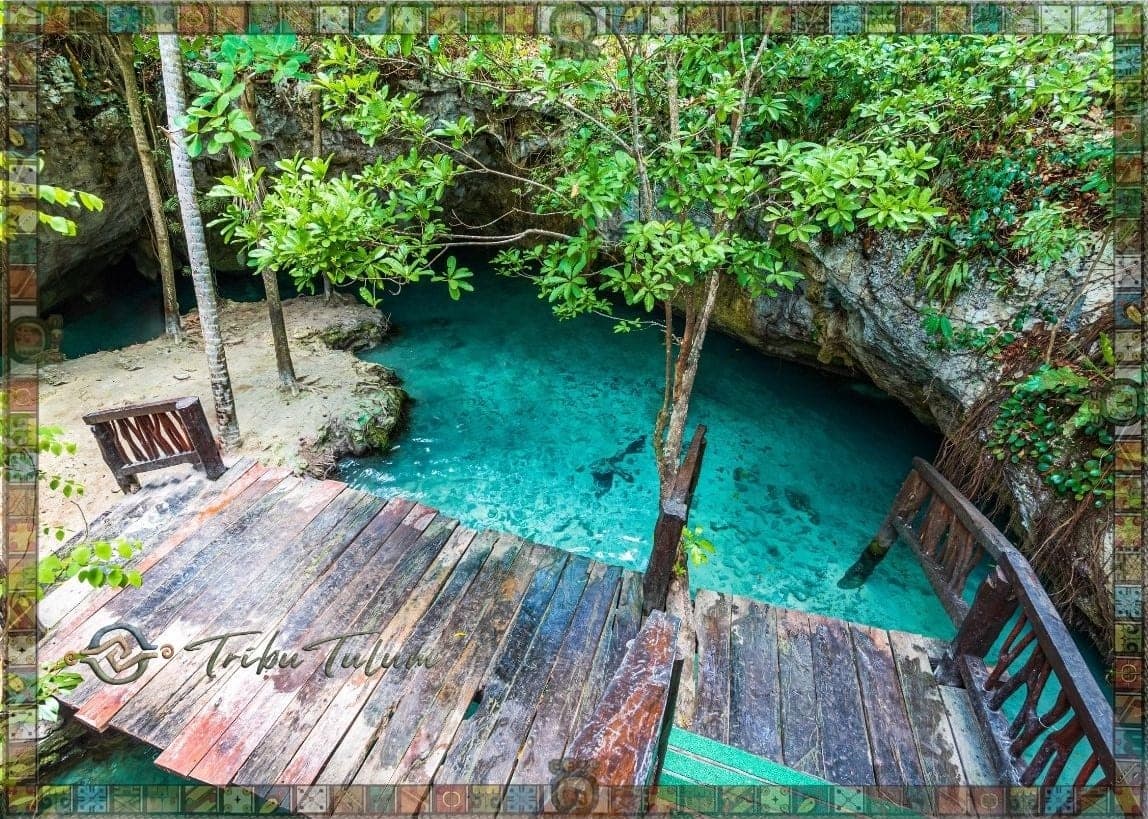
Cenotes are geological formations unique to the Yucatan Peninsula - natural pools of crystal-clear freshwater formed by the collapse of limestone bedrock. For the ancient Maya, they were sacred portals to the underworld. Today, they are some of the most magical places to swim in the world.
What is a Cenote?#
Cenotes formed millions of years ago when the roof of underground limestone caves collapsed, revealing the crystal-clear waters of the world's largest underground aquifer.
The word "cenote" comes from the Mayan "ts'onot" meaning sacred well. The Maya considered them entrances to Xibalba, the underworld.
Types of Cenotes#
| Type | Characteristics | Example |
|---|---|---|
| Open | Completely exposed to sky | Cenote Azul |
| Semi-open | Partially covered | Gran Cenote |
| Cavern | Inside a cave | Cenote Dos Ojos |
| Underground | Completely underground | Cenote Aktun Chen |
Best Cenotes Near Tulum#
Gran Cenote#
The most famous and accessible from Tulum town.
Features:
- Crystal-clear turquoise waters
- Jumping platforms
- Snorkeling areas
- Turtles and fish
Information:
- Distance: 4 km from town
- Price: $25 USD
- Hours: 8:00 AM - 4:45 PM
Arrive early (before 9 AM) to avoid crowds and enjoy the clearest water.
Cenote Calavera#
Also known as "Temple of Doom", it has three holes on the surface that look like a skull.
Highlights:
- Jumps from different heights
- More adventurous atmosphere
- Fewer tourists than Gran Cenote
Price: $12 USD
Cenote Dos Ojos#
Part of one of the longest cave systems in the world. Ideal for snorkeling and diving.
Experiences:
- Snorkeling in crystal-clear water
- Certified cave diving
- Stalactite formation viewing
Price: $20 USD (snorkel) / $125+ USD (diving)
Cenote Zacil-Ha#
Perfect for families with children due to its calm waters.
Advantages:
- On-site restaurant
- Calm waters
- Less deep
- Water swings
Casa Cenote#
Unique open-water cenote connected to the sea by underground tunnels.
Special for:
- Snorkeling
- Stand Up Paddle
- Kayak
- Mangrove watching
Secret Cenotes (Less Known)#
Cenote Escondido#
As its name indicates, it's a hidden gem with fewer visitors.
Cenote Cristal#
Incredibly clear waters, ideal for underwater photography.
Cenote Carwash (Actun-Ha)#
Peculiar name (it was a car wash) but spectacular cenote with water lilies.
Cenotes are fragile ecosystems. Only use biodegradable sunscreen and don't touch rock formations.
Tips for Visiting Cenotes#
What to Bring#
- Swimsuit
- Towel
- Biodegradable sunscreen (mandatory)
- Water shoes
- Snorkel mask (optional)
- Cash for entrance
- Waterproof camera
Important Rules#
- NO chemical sunscreen - damages the ecosystem
- Shower before entering - mandatory
- Don't touch stalactites - they form over thousands of years
- Don't feed animals
- Don't leave trash
Best Time to Visit#
| Season | Advantages | Disadvantages |
|---|---|---|
| Nov-April | Less rain, clear water | More tourists |
| May-Oct | Fewer people | Possible rain |
| Early morning | No crowds | Limited hours |
Suggested Cenote Route (1 Day)#
Morning: Gran Cenote (2 hours)
↓
Mid-morning: Cenote Calavera (1.5 hours)
↓
Lunch: In Tulum town
↓
Afternoon: Cenote Dos Ojos (2-3 hours)
Cenote Activities#
Snorkeling#
The most popular activity. Many cenotes have equipment available for rent.
Cave Diving#
For certified divers, cenotes offer unique cave diving experiences.
Jumping#
Some cenotes allow jumps from different heights (always check depth).
Photography#
Light conditions in cenotes create spectacular photo opportunities.
Budget#
| Cenote | Entrance | Snorkel | Diving |
|---|---|---|---|
| Gran Cenote | $25 USD | $8 USD | N/A |
| Dos Ojos | $20 USD | Included | $125 USD |
| Calavera | $12 USD | N/A | N/A |
| Casa Cenote | $10 USD | $5 USD | $90 USD |
Conclusion#
Cenotes are one of Mexico's most impressive natural wonders and an unmissable experience when visiting Tulum. Respect these unique ecosystems so future generations can enjoy them too.
What's your favorite cenote? Share your experience with the community.